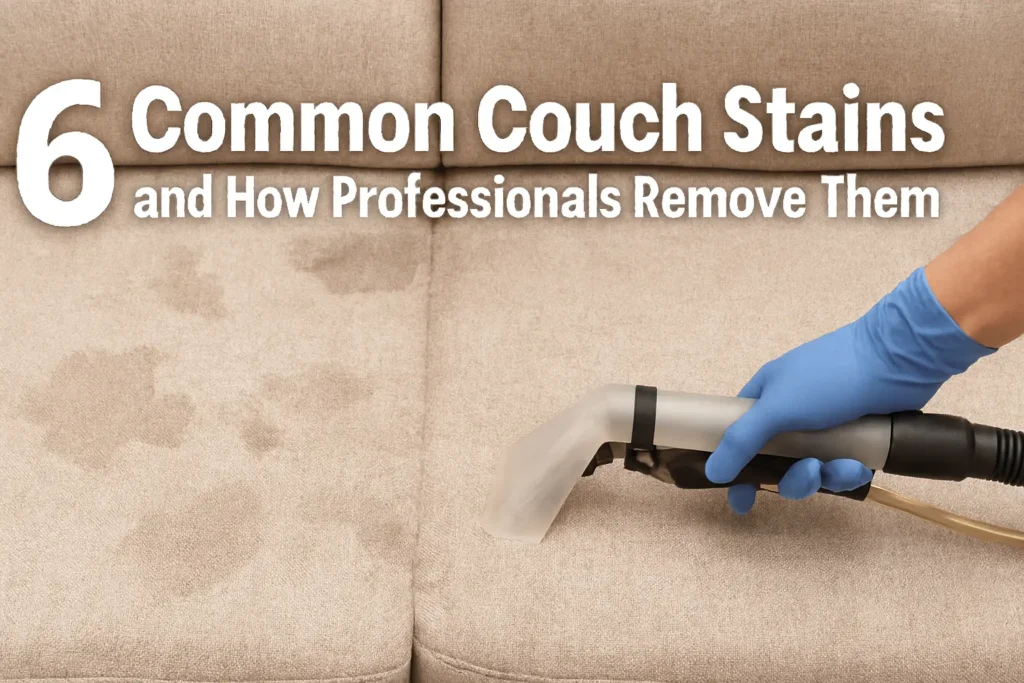
Your couch is more than just a piece of furniture — it’s where you relax after a long day, entertain guests, and sometimes even enjoy a snack or two. Unfortunately, it’s also a magnet for spills, dirt, and stubborn marks. In this guide, we’ll explore 6 common couch stains and reveal how professional cleaners (like Sydney Cleaning Experts) remove them effectively, leaving your sofa fresh, hygienic, and looking like new.
Why Understanding Common Couch Stains Matters
Knowing the types of stains your couch is prone to — and how they’re treated — can save you time, money, and frustration. Different stains require different cleaning methods, and using the wrong approach can make the problem worse. Professional upholstery cleaners use specialised products, equipment, and techniques to target each stain type without damaging the fabric.
1. Food and Beverage Stains – Coffee, Wine, and Sauce
Why They’re So Common
From morning coffee to evening wine, food and drink spills are among the most common couch stains in Sydney households. Liquids seep quickly into fabric fibres, leaving behind visible marks and unpleasant odours.
How Professionals Remove Them
- Immediate Blotting: Technicians start by blotting excess liquid to prevent deeper penetration.
- pH-Balanced Cleaning Solutions: Coffee and wine are acidic; pros use neutralising agents to break down pigments.
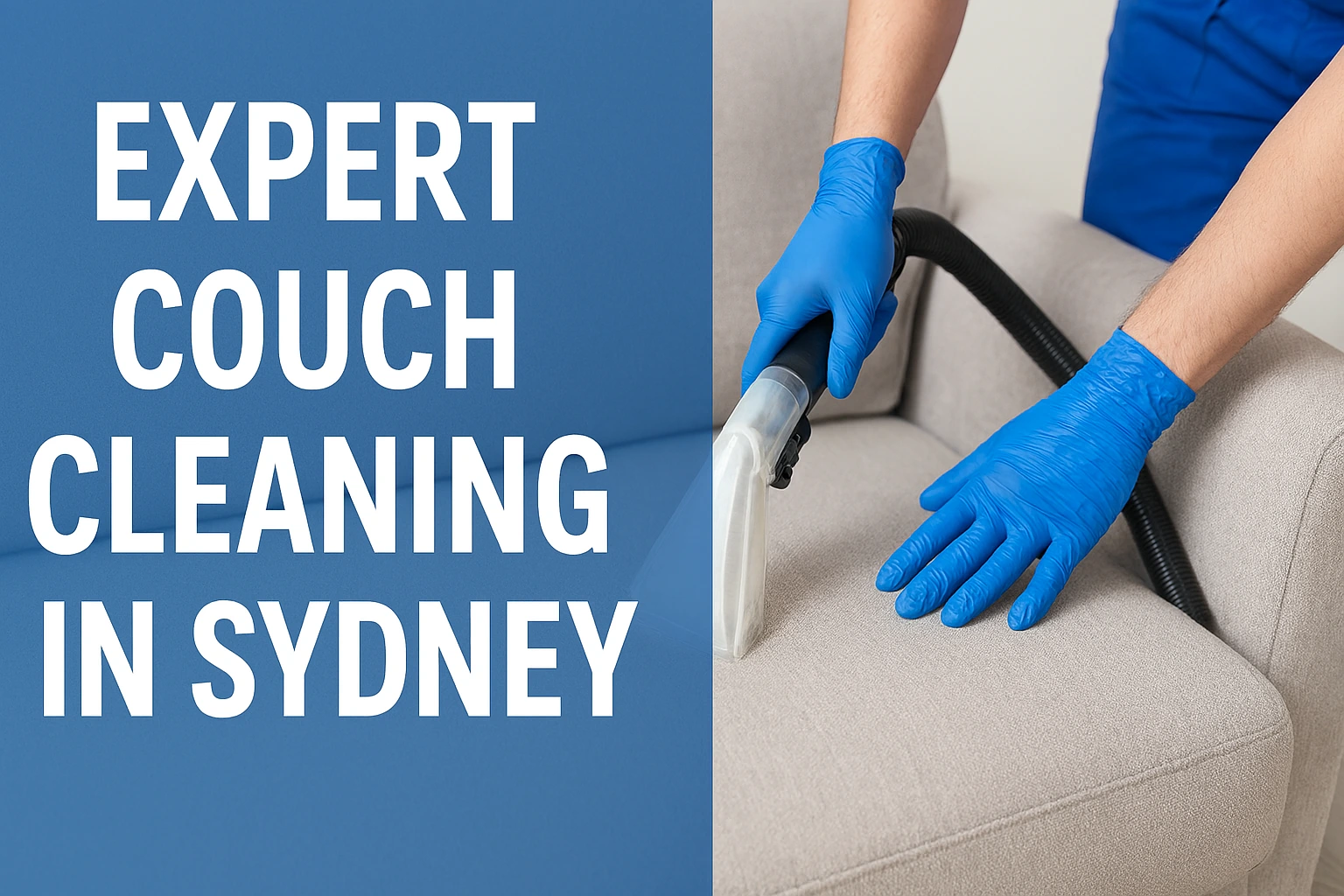
- Hot Water Extraction: Also known as steam cleaning, this method flushes out residue and sanitises the fabric.
- Deodorising Treatment: Removes lingering smells, especially from milk-based spills.
Pro Tip: Avoid rubbing — it spreads the stain and damages fibres.
2. Pet Stains and Odours
Why They’re So Common
Pet owners know the struggle: muddy paw prints, fur, and the occasional accident. These common couch stains can also harbour bacteria and allergens.
How Professionals Remove Them
- Enzymatic Cleaners: Break down organic matter like urine and vomit at a molecular level.
- Deep Extraction: Removes both visible stains and hidden contaminants.
- Anti-Microbial Treatment: Prevents bacteria growth and neutralises odours.
- Fabric Protection: Optional application to make future clean-ups easier.
Pro Tip: DIY sprays often mask odours temporarily but don’t eliminate the source.
3. Ink and Dye Transfer
Why They’re So Common
Leaky pens, newspaper print, or dark jeans can leave stubborn ink or dye marks. These common couch stains are tricky because pigments bond strongly with fabric fibres.
How Professionals Remove Them
- Solvent-Based Stain Removers: Specifically formulated for ink without spreading it.
- Spot Testing: Ensures the cleaning agent won’t bleach or damage the upholstery.
- Gentle Agitation: Loosens pigment particles before extraction.
- Multiple Treatments: Some stains require repeated applications for full removal.
Pro Tip: The sooner you call a professional, the higher the success rate.
4. Grease and Oil Stains
Why They’re So Common
From takeaway food to hair products, oils can quickly become embedded in fabric. These common couch stains attract dust and dirt, making the area look darker over time.
How Professionals Remove Them
- Absorbent Powder Application: Draws out excess oil before wet cleaning.
- Specialised Degreasers: Break down oil molecules without harming the fabric.
- Hot Water Extraction: Flushes out residue and restores texture.
- Post-Clean Fabric Grooming: Ensures even drying and a smooth finish.
Pro Tip: Avoid water-based DIY cleaning for oil stains — it can set the stain permanently.
5. Makeup and Cosmetic Stains
Why They’re So Common
Foundation, lipstick, and mascara often end up on couches during daily use. These common couch stains combine pigments, oils, and waxes, making them stubborn.
How Professionals Remove Them
- Oil-Soluble Cleaners: Dissolve makeup without spreading it.
- Microfibre Cloth Application: Prevents fabric abrasion.
- Targeted Rinse: Removes all residue to avoid re-soiling.
- Fabric-Specific Approach: Different methods for leather, suede, or synthetic fabrics.
Pro Tip: Blot with a dry cloth immediately — don’t use makeup remover on upholstery.
6. Mould and Mildew Stains
Why They’re So Common
Sydney’s humid climate can lead to mould growth on couches, especially in poorly ventilated rooms. These common couch stains are not just unsightly — they can be a health hazard.
How Professionals Remove Them
- HEPA Vacuuming: Removes loose spores before wet cleaning.
- Anti-Fungal Solutions: Kills mould at the root.
- Controlled Moisture Cleaning: Prevents further mould growth.
- Drying and Dehumidifying: Ensures the couch is completely dry to avoid recurrence.
Pro Tip: Never ignore mould — it can spread quickly and cause respiratory issues.
Why Choose Sydney Cleaning Experts for Common Couch Stains
At Sydney Cleaning Experts, we combine industry-grade equipment, eco-friendly products, and years of experience to tackle all types of common couch stains. Our process includes:
- Free Pre-Inspection: Identify fabric type and stain severity.
- Customised Cleaning Plan: Tailored to your couch’s needs.
- Safe, Non-Toxic Products: Ideal for homes with kids and pets.
- Satisfaction Guarantee: We’re not happy until you are.
Preventing Common Couch Stains – Pro Tips
While professional cleaning is the best way to remove stains, prevention is even better:
- Use Washable Throws: Protects high-use areas.
- Vacuum Weekly: Removes dust and debris before they settle.
- Apply Fabric Protector: Creates a barrier against spills.
- Address Spills Immediately: The faster you act, the better the outcome.
Final Thoughts
Couches are an investment, and keeping them clean extends their life and keeps your home looking fresh. Whether it’s coffee, ink, or pet accidents, common couch stains don’t stand a chance against professional cleaning. If you’re in Sydney and need expert help, Sydney Cleaning Experts is just a call away.