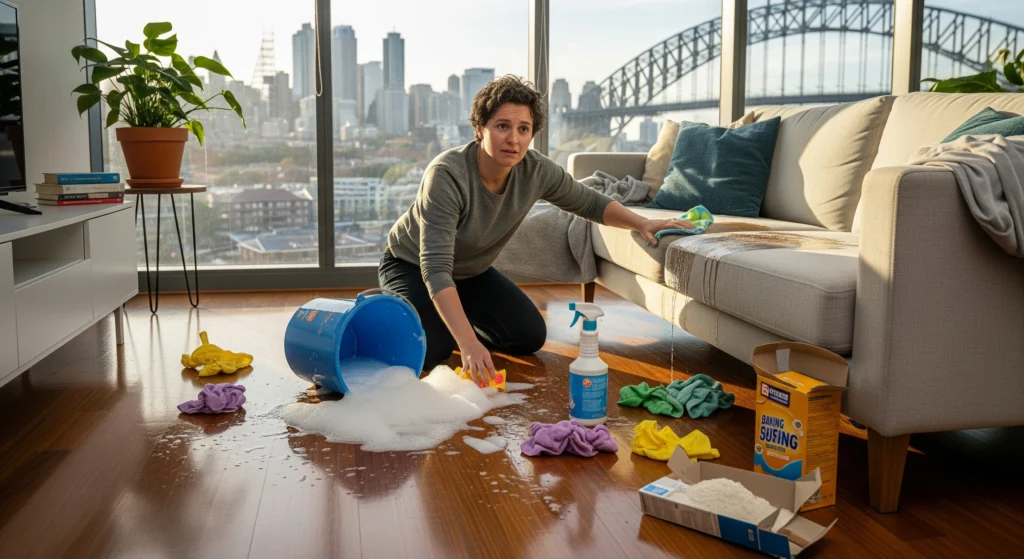
Your sofa is the heart of your living room. It’s where you relax after a long day, entertain guests, and create lasting memories with your family. But with everyday use, your beloved sofa is bound to encounter spills, stains, and general wear and tear. While it’s tempting to tackle these messes yourself, many well-intentioned cleaning attempts can do more harm than good. In this guide, we’ll expose five of the most common sofa cleaning mistakes we see in Sydney homes and, more importantly, teach you how to avoid them to keep your upholstery looking its best.
Mistake #1: Using the Wrong Cleaning Products
One of the most frequent and damaging mistakes is grabbing any all-purpose cleaner from under the sink to treat a stain on your sofa. Upholstery fabrics are not all created equal; they can be made from a wide range of materials, including natural fibers like cotton, linen, and wool, or synthetic materials like polyester, nylon, and acrylic. Each fabric has its own unique characteristics and requires specific cleaning solutions. Using a harsh chemical cleaner on a delicate fabric can lead to discoloration, fading, and even permanent damage to the fibers.
How to Avoid This Mistake:
Check the Care Tag: Before you apply any cleaning product, locate the care tag on your sofa. It will have a code that provides cleaning instructions:
- W: Water-based cleaners are safe to use.
- S: Only solvent-based cleaners should be used.
- W/S: Both water-based and solvent-based cleaners are safe.
- X: Professional cleaning is required. Do not use any water or solvent-based cleaners.
Choose the Right Cleaner: Once you know the fabric type, you can select an appropriate cleaner. For “W” or “W/S” coded fabrics, a mild, pH-neutral upholstery shampoo is a good option. For “S” coded fabrics, you’ll need a dry-cleaning solvent.
When in Doubt, Call the Professionals: If you can’t find the care tag or are unsure about the fabric type, it’s always best to consult a professional cleaning service. At Sydney Cleaning Service, our technicians are trained to identify different upholstery fabrics and use the correct cleaning methods to ensure a safe and effective clean.
Mistake #2: Over-Wetting the Fabric
When faced with a stubborn stain, it’s a common instinct to use a lot of water to try and flush it out. However, over-wetting your sofa is a critical mistake that can lead to a host of problems. Excessive moisture can seep deep into the padding of your sofa, creating the perfect breeding ground for mold and mildew. This not only results in an unpleasant musty odor but can also pose a health risk to you and your family. Over-wetting can also cause water stains, browning, and even shrinkage of the fabric.
How to Avoid This Mistake:
- Use Water Sparingly: When cleaning a stain, use a minimal amount of water. Dampen a clean, white cloth with your cleaning solution rather than pouring it directly onto the sofa.
- Blot, Don’t Soak: Gently blot the stained area to lift the stain, working from the outside in to prevent it from spreading.
Ensure Proper Drying: After cleaning, it’s crucial to ensure the area dries completely. You can use a fan or open a window to improve air circulation. For a more thorough drying process, a wet/dry vacuum can be used to extract excess moisture.
Mistake #3: Incorrect Stain Removal Techniques
The way you tackle a stain can make all the difference between a successful removal and a permanent blemish. One of the most common sofa cleaning mistakes is scrubbing a stain vigorously. While it may seem like you’re working the stain out, you’re actually pushing it deeper into the fabric fibers and can even damage the fabric itself, leading to pilling and fraying.
How to Avoid This Mistake:
- Act Quickly: The sooner you address a spill, the easier it will be to remove.
- Blot, Don’t Rub: As mentioned earlier, always blot a stain with a clean, white cloth. This will absorb the spill without spreading it.
- Use the Right Technique for the Stain: Different stains require different removal techniques. For example, for a red wine spill, you might blot the area and then apply a small amount of a specialized red wine stain remover. For greasy stains, a solvent-based cleaner may be necessary.
- Pre-test Your Cleaning Solution: Before applying any cleaning solution to the stain, test it on a small, inconspicuous area of your sofa to ensure it doesn’t cause any discoloration or damage.
Mistake #4: Neglecting to Pre-Test Cleaning Solutions
We can’t stress this enough: always, always pre-test your cleaning solution on a hidden spot before applying it to a larger, more visible area. Even if a product is labeled as “safe for upholstery,” it can still react differently with your specific fabric and dye. Failing to do a spot test can result in permanent discoloration, a mistake that’s far more noticeable than the original stain.
How to Avoid This Mistake:
- Choose a Hidden Spot: Select a small, out-of-sight area to test your cleaning solution, such as the back of a cushion or a spot on the skirt of the sofa.
- Apply and Wait: Apply a small amount of the cleaner to the test spot and let it sit for a few minutes. Then, blot the area with a clean, white cloth.
- Check for Changes: Allow the test spot to dry completely and then check for any changes in color or texture. If there’s no adverse reaction, you can proceed with cleaning the stain.
Mistake #5: Skipping Regular Maintenance
Finally, one of the most common sofa cleaning mistakes is simply neglecting your sofa until it’s visibly dirty. Dust, dirt, pet dander, and oils from our skin accumulate over time, and if left unchecked, they can become embedded deep within the fabric fibers. This not only makes your sofa look dull and dingy but can also lead to premature wear and tear.
How to Avoid This Mistake:
- Vacuum Regularly: Vacuum your sofa at least once a week using an upholstery attachment. This will remove surface dirt and prevent it from working its way into the fabric.
- Fluff and Rotate Cushions: Fluff and rotate your sofa cushions regularly to ensure even wear.
- Address Spills Immediately: As we’ve already discussed, acting quickly is key to preventing stains.
- Schedule Professional Cleanings: In addition to your regular maintenance, it’s a good idea to have your sofa professionally cleaned every 12-18 months. A professional deep clean will remove embedded dirt, allergens, and bacteria, leaving your sofa fresh, clean, and revitalized.
The Importance of Professional Sofa Cleaning
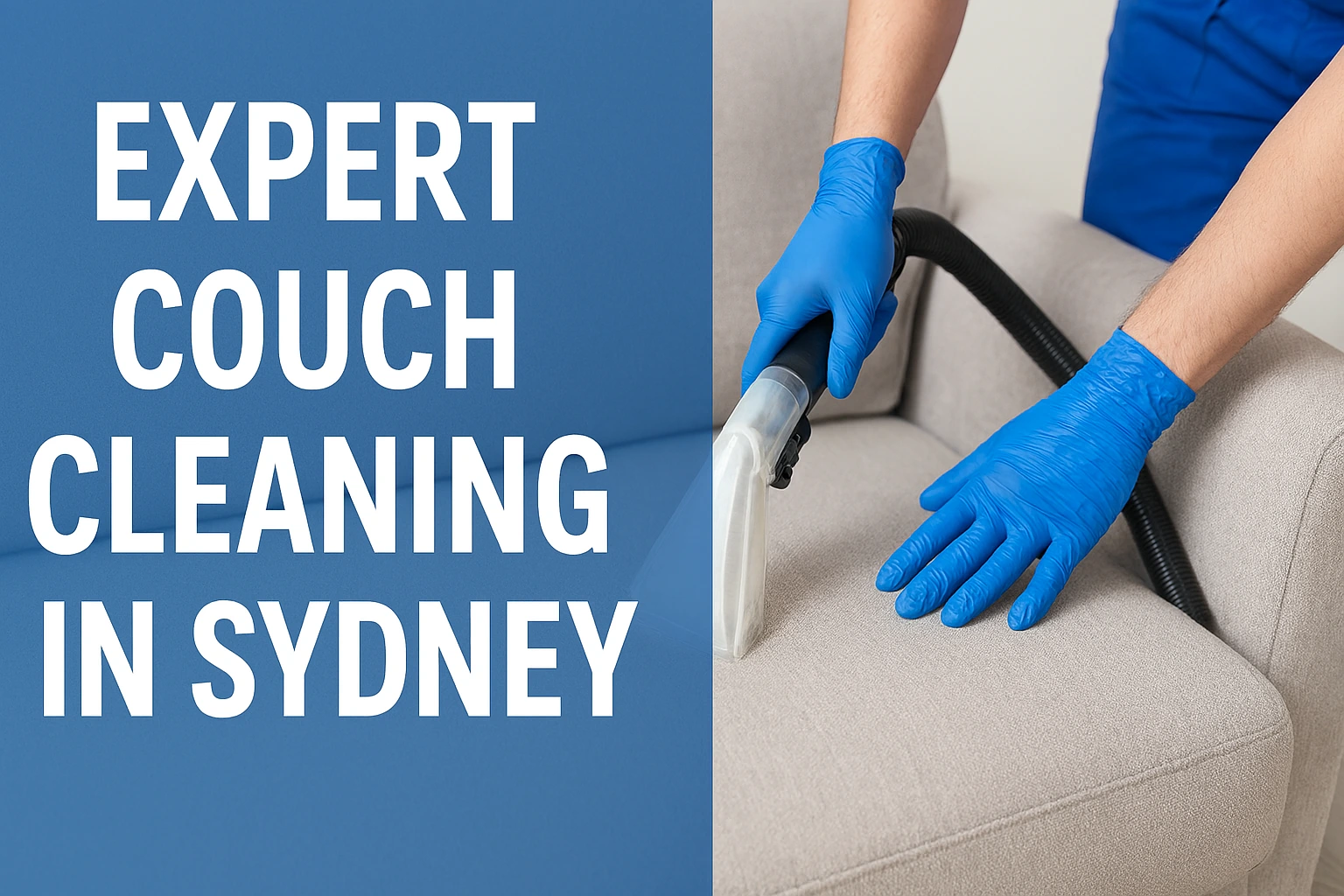
While these DIY tips can help you maintain your sofa and tackle minor spills, there’s no substitute for a professional clean. At Sydney Cleaning Service, our experienced technicians have the knowledge, equipment, and eco-friendly cleaning solutions to safely and effectively clean all types of upholstery. We can remove deep-seated dirt, stubborn stains, and allergens, extending the life of your sofa and creating a healthier environment for your family.
Don’t let these common sofa cleaning mistakes ruin your beloved furniture. By following these tips and scheduling regular professional cleanings, you can keep your sofa looking and feeling its best for years to come.
Ready to give your sofa the refresh it deserves? Contact Sydney Cleaning Service today for a free quote!