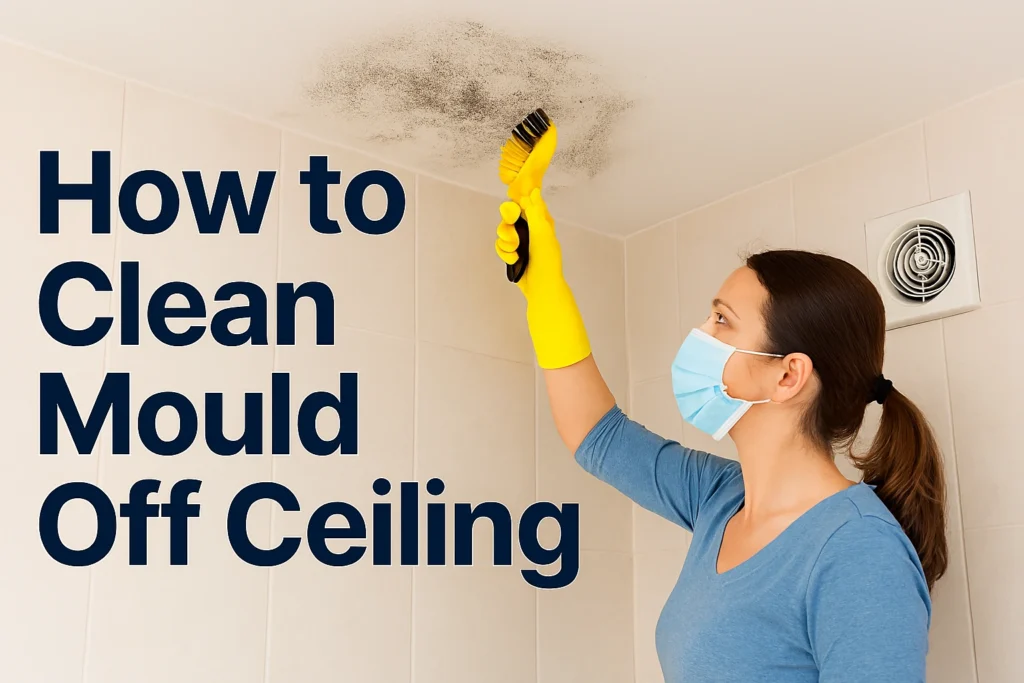
Ceiling mould is one of the most common household problems in Sydney, thanks to our humid climate, coastal air, and frequent rainfall. Left untreated, mould not only damages your ceiling paint and plaster but also poses health risks such as allergies, asthma, and respiratory irritation.
In this guide, we’ll walk you through how to clean mould off ceiling in bathrooms, kitchens, and bedrooms — with step-by-step instructions, safety tips, and prevention strategies.
Why Ceiling Mould is a Problem in Sydney Homes
Sydney’s climate creates the perfect breeding ground for mould. Bathrooms trap steam, kitchens generate cooking moisture, and bedrooms often suffer from poor ventilation.
- Health risks: Mould spores can trigger allergies, asthma, and respiratory issues.
- Structural damage: Persistent mould can weaken plaster, paint, and ceiling finishes.
- Aesthetic issues: Black or green mould patches make your home look neglected.
👉 If you’re unsure whether mould in your home is dangerous, the NSW Health Department provides excellent resources on mould and health.
Why Sydney Homes Need Power Pressure Washing
Sydney’s unique environment makes Power Pressure Washing especially valuable:
- Coastal climate: Salt air accelerates corrosion and staining.
- Humidity: Encourages mould, algae, and mildew growth.
- Urban pollution: Traffic grime and dust settle on exterior surfaces.
- Storms: Heavy rain and wind leave behind debris and dirt.
Without regular cleaning, these factors can cause permanent damage to your property.
Safety First: Preparing to Clean Mould Off Ceiling
Before learning how to clean mould off ceiling, it’s important to protect yourself and your home.
Essential Safety Gear
- Gloves (rubber or disposable)
- Safety goggles
- N95 or P2 mask
- Old clothes or disposable overalls
Preparation Steps
- Open windows and doors for ventilation.
- Cover furniture and flooring with plastic sheets.
- Keep children and pets away from the area.
How to Clean Mould Off Ceiling in Bathrooms
Bathrooms are the most common place for ceiling mould due to constant steam and condensation.
Step-by-Step Cleaning
- Mix a cleaning solution:
- 1 part white vinegar to 2 parts warm water (natural option)
- OR a diluted bleach solution (1 cup bleach in 1 litre water) for stubborn mould.
- Apply the solution using a spray bottle or sponge.
- Scrub gently with a soft brush or cloth.
- Rinse and dry the area thoroughly.
- Apply anti-mould paint if the ceiling is prone to recurring mould.
Prevention Tips
- Install or upgrade an exhaust fan.
- Wipe down condensation after showers.
- Keep bathroom doors open after use.
How to Clean Mould Off Ceiling in Kitchens
Kitchens often develop mould on ceilings due to cooking steam, grease, and poor ventilation.
Cleaning Process
- Degrease first: Use a mild detergent to remove grease before treating mould.
- Apply vinegar or bleach solution as above.
- Scrub carefully to avoid damaging paint.
- Dry completely to prevent regrowth.
Prevention Tips
- Always use a rangehood or exhaust fan while cooking.
- Open windows to release steam.
- Regularly clean kitchen ceilings and walls.
How to Clean Mould Off Ceiling in Bedrooms
Bedroom mould is often caused by poor airflow, condensation from windows, or hidden leaks.
Cleaning Process
- Identify the source: Check for leaks in the roof or air conditioning.
- Apply vinegar solution to mould patches.
- Scrub gently with a sponge.
- Dry thoroughly with a fan or dehumidifier.
Prevention Tips
- Keep windows slightly open for airflow.
- Use a dehumidifier in damp seasons.
- Avoid drying clothes indoors.
Natural vs Chemical Methods: Which Works Best?
When deciding how to clean mould off ceiling, you can choose between natural and chemical methods.
Method | Pros | Cons |
Vinegar | Non-toxic, eco-friendly, safe for families | May require repeat applications |
Bleach | Fast, effective on visible mould | Strong fumes, not eco-friendly |
Commercial mould removers | Convenient, powerful | Can be costly, chemical-heavy |
When to Call a Professional
Sometimes DIY isn’t enough. You should call a Sydney mould removal expert if:
- Mould covers more than 1 square metre.
- You have recurring mould despite cleaning.
- You notice water leaks or structural damage.
- Household members experience health issues.
👉 As Sydney cleaning experts, we provide professional ceiling mould removal services that are safe, effective, and long-lasting. (Internal link opportunity: link to your “Mould Removal Services” page)
How to Prevent Ceiling Mould Long-Term
Cleaning is only half the battle — prevention is key.
- Improve ventilation with fans and windows.
- Use a dehumidifier in damp rooms.
- Insulate ceilings to reduce condensation.
- Regularly inspect for leaks and water damage.
- Apply anti-mould paint in high-risk areas.
Final Thoughts
Knowing how to clean mould off ceiling in bathrooms, kitchens, and bedrooms is essential for maintaining a healthy, safe, and beautiful home. While DIY methods can work for small patches, larger infestations require professional help.
👉 If you’re struggling with mould in your Sydney home, don’t wait — contact our Sydney cleaning experts today for fast, reliable mould removal.
FAQs About How to Clean Mould Off Ceiling
With the right technique, yes. Professionals adjust pressure levels for different materials.
Vinegar is safer and eco-friendly, while bleach is stronger for stubborn mould.
As soon as you notice it. Regular inspections every few months help prevent build-up.