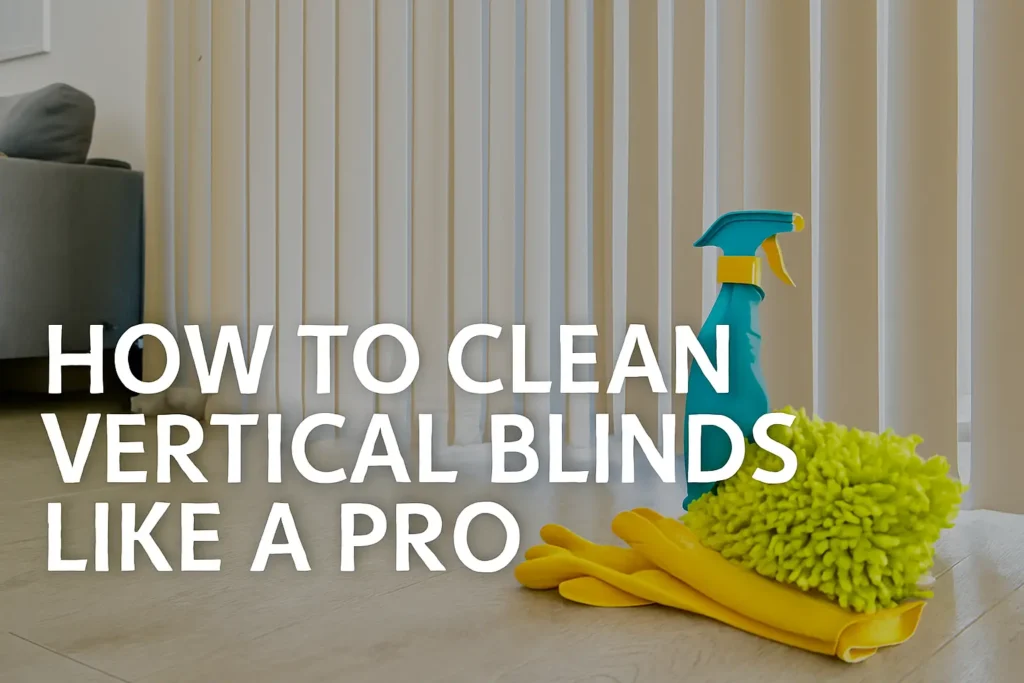
Clean vertical blinds can instantly brighten up your room, but many people in Sydney aren’t sure of the best way to do it, especially if they want their blinds to last. As local cleaning experts, we’ll guide you step by step through cleaning vertical blinds, whatever the material or space. This guide offers practical tips, recommended tools, and expert advice so anyone in Sydney can keep their blinds looking their best.
Why Knowing How to Clean Vertical Blinds Matters in Sydney
With Sydney’s busy lifestyle, coastal breezes, city dust, and changing humidity, blinds can quickly gather dust, grime, and mould. Regular cleaning keeps your blinds looking good, working properly, and helps keep your home healthy. If dust and allergens build up, they can spread through your air conditioning or open windows, lowering air quality and possibly causing allergies. Clean blinds also last longer, so you won’t need to replace them as often.
If If you’re pressed for time or want a perfect result, professional services like Sydney Blind Cleaning are there to help. But with the right approach, you can easily handle regular vertical blind cleaning yourself and feel good about the results.
How to Clean Vertical Blinds: Essential Tools and Supplies
Begin with the right cleaning supplies to achieve professional results without risking damage to your blinds:
Tool / Supply | Purpose | Recommended For |
Microfiber Cloths | Attracts dust without scratching surfaces | All blind types |
Vacuum with Brush Attachment | Removes stubborn dust and pet hair, especially in crevices | Fabric, vinyl/PVC, wood |
Mild Detergent or Gentle Soap | Cleans stains and grime without damaging fabric or finishes | Fabric, PVC, vinyl |
Sponge or Soft Brush | Assists with scrubbing stubborn marks | Fabric, vinyl/PVC |
Feather Duster | Quick, routine surface dusting | All materials |
Bucket of Lukewarm Water | Needed for soaking or for dampening cloths | Fabric, vinyl, PVC |
Towel/Sheets | Lay out blinds to dry and prevent creasing damage | Fabric, vinyl |
Steam Cleaner (optional) | For quick cleaning/sanitising of hanging fabric panels | Fabric |
Dust-repellent Spray | Prevents quick reaccumulation of dust after a thorough clean | All types, see label |
We’ve chosen each tool for the kinds of stains, dust, and materials common in Sydney homes and offices. Microfiber cloths and gentle detergents protect your blinds, while vacuums with brush attachments prevent scratches and pick up hidden dust.
A good vacuum cleaner makes regular cleaning easier, especially if someone in your home has allergies. Dust-repellent sprays are also useful, particularly in coastal suburbs where sea breezes bring in extra dust.
How to Clean Vertical Blinds: Know Your Material
Not all vertical blinds are the same; materials need different care:
- Fabric Vertical Blinds: Require gentle cleaning and should never be oversoaked. Some can be machine-washed; always check the manufacturer’s label first.
- PVC and Vinyl Vertical Blinds: Moisture-resistant, tough against stains, and suitable for kitchens and bathrooms.
- Wooden Vertical Blinds: Must be kept dry to avoid warping and should be cleaned with specialised products.
- Aluminum Vertical Blinds: Rugged and water-compatible, although the finish can scratch if scrubbed too harshly.
The first step to cleaning your blinds properly and avoiding damage is knowing what material they’re made of.
How to Clean Vertical Blinds: Step-by-Step Expert Instructions
- Pre-Cleaning Assessment: Prepare and Protect
- Check the manufacturer’s instructions (usually sewn onto the panel or available online) to determine cleaning compatibility.
- Lay down towels or sheets under blinds to catch drips and debris, protecting your floors or carpets.
Taking these first steps helps you protect your warranty and avoid damaging delicate materials.
- Routine Dusting (Weekly or Bi-Weekly)
- Close the blinds so the slats line up flat.
- Using a microfiber duster or vacuum brush attachment, gently clean the item from top to bottom on both sides.
- For corners and tracks, use compressed air or a feather duster to dislodge spider webs and fine dust.
By dusting regularly, you can prevent buildup and avoid having to do a big, time-consuming clean later.
Expert tip: For quick weekly cleaning, try a special blind brush or duster with microfiber sleeves. Tools like the Scrub Daddy Damp Duster, available on Amazon, are both effective and gentle on your blinds.
- Spot Cleaning for Everyday Marks
- Prepare a cleaning solution: Mix lukewarm water with a few drops of mild detergent.
- Dampen a microfiber cloth or sponge, then wring it so it’s just moist.
- Gently dab or wipe away marks or stains, taking care not to rub too hard. This is especially important for fabric slats.
- Rinse the area with a clean, damp cloth and allow it to air dry.
Blotting instead of rubbing is best. It protects the surface and keeps stains from spreading.
- Deep Cleaning Vertical Blinds (Monthly or as Needed)
For Fabric Vertical Blinds
a) Remove the Panels:
- Unhook panels from the headrail carefully, checking clips and weights.
- Lay flat on a towel or clean sheet.
b) Pre-vacuum:
- Use a vacuum with a brush attachment to clear off dust.
c) Soak and Clean:
- Fill a bathtub with lukewarm water (no more than 30°C) and add a mild detergent.
- Place panels in, gently agitate, and allow to soak for 30–60 minutes.
- Gently wipe or scrub any visible stains with a soft brush or sponge.
d) Rinse and Dry:
- Rinse thoroughly with clean water, ensuring no soap residue remains.
- Lay the panels flat on towels or sheets. Don’t hang them to dry, because that can stretch or distort the fabric.
- Wait until the blinds are fully dry (usually 1–2 days) before reattaching.
Machine washing is only recommended for certain fabrics (as indicated on the care label), using a gentle cycle, tied in a pillowcase, and air-dried flat.
For PVC or Vinyl Vertical Blinds
- Wipe slats with the same mild detergent solution above using a soft cloth.
- For stubborn residue, let the mixture sit a moment before wiping.
- Dry each slate to prevent water spots, and keep them unstacked until they are completely dry.
For Wooden Vertical Blinds
- Dust only. No moisture. Use a dry microfiber cloth or duster.
- For deeper cleaning, a small amount of wood or furniture cleaner on a soft cloth is safe (test on an inconspicuous area first).
- Reattach and Maintain
- Once all slats are dry, gently reattach them to the headrail.
- Use dry towels to catch any water before stacking them together.
Check the headrails and tracks regularly, and use a quick spray of silicone lubricant to keep everything moving smoothly and help your blinds last longer.
Exceptional Cases: Removing Mould from Upholstery, Carpets, and Curtains
Fabrics fixed to furniture or floors pose unique challenges.
- Upholstery: Remove loose spores outdoors. Use a HEPA vacuum. Spot—treat areas with diluted vinegar, hydrogen peroxide, or gentle anti-mold products. Avoid over-wetting to prevent deeper damage.
- Carpet and Rugs: Professional advice is strongly recommended, as DIY attempts can push mould deeper or spread spores. Steam cleaning, also known as hot water extraction, may be required in most cases—contact Sydney Cleaning Experts.
- Curtains: Remove from rods, shake off any loose debris outside, and follow the most suitable cleaning method for the fabric type. Replace if stains and odours persist after multiple treatments.
Sydney-Specific Mould Prevention Strategies for Fabric
Successfully learning how to remove mould from fabric is only half the battle: prevention is absolutely key in Sydney’s climate.
Moisture and Humidity Control
- Ventilation: Open windows and doors daily (even just 10–15 minutes in winter). Use exhaust fans in bathrooms, laundries, and kitchens. Leave wardrobe and cupboard doors ajar when possible.
- Dehumidifiers: When humidity consistently exceeds 60%, consider investing in a quality dehumidifier. Models from AusClimate, DeLonghi, and Breville are regularly reviewed by CHOICE and can help manage humidity in laundry rooms and bedrooms during muggy months.
- Moisture Absorbers: Use silica gel packs or commercial locker absorbers in wardrobes or storage, especially for seasonal clothing.
- Drying Laundry: Never leave wet clothes in the machine or in baskets. Dry outdoors when weather permits or in a vented tumble dryer. If using indoor drying racks, run a dehumidifier and ventilate the area to prevent mold growth.
Good Storage Habits
- Only store totally dry, clean clothes.
- Avoid plastic bags or boxes for long-term storage (they trap condensation). Use breathable fabric bags or garment covers to protect your belongings.
- Place cedar blocks or sachets in closets to repel both moisture and pests.
- Don’t pack wardrobes or stores too tightly—allow air to circulate between items.
- For valuables or heirlooms, periodically inspect for signs of musty odour or stains, especially after humid spells.
Building/Fabric Structure Prevention
- Address leaks, damp patches, or evidence of rising damp immediately—see a licensed tradesperson if needed.
- Ensure subfloor areas are well-ventilated; install subfloor fans if necessary.
- Insulate windows and exterior walls where possible; condensation often collects on cold surfaces in older homes in Sydney during winter.
Routine Cleaning and Maintenance
- Clean your washing machine monthly by running an empty hot cycle with vinegar or baking soda.
- Vacuum fabric surfaces, curtains, and under furniture with a HEPA vacuum.
- Air bedding, cushions, and soft furnishings should be regularly exposed to sunlight outdoors.
Seasonal Strategies
- Summer: Focus on increased ventilation and dehumidification during Sydney’s muggy, storm-prone months.
- Winter: Counter increased condensation from heating and closed windows by using fans, dehumidifiers, and periodically airing closed spaces.
Local Sydney Cleaning Insights and Services
Sydney’s humidity can cause mould, coastal air brings in more dust, and busy schedules mean less time for deep cleaning. That’s why local expertise and professional assistance can make a significant difference.
Cleaning Services for Vertical Blinds in Sydney
Professional blind cleaning services (like Sydney Blind Cleaning, Prime Curtain Cleaning Sydney, Multi Cleaning, and All Clean Blinds) offer:
- Ultrasonic cleaning for advanced stain and allergen removal—ideal for commercial or heavily soiled blinds
- Blind pickup, cleaning, and reinstallation for maximum convenience
- Repairs and part replacements if your blinds are starting to wear or malfunction
- Eco-friendly solutions suited for those with allergies, young kids, or pets
For routine cleaning tasks, many Sydney cleaning companies also offer bundled home cleaning packages. Ask about vertical blind cleaning when booking your next home cleaning in Sydney.
Best Cleaning Products and Reputable Manufacturers
Choose the right products to enhance the appearance and lifespan of your blinds:
- Mild Detergents: Trusted brands for gentle cleaning include Earth Choice and Eco Store (widely available in most Sydney supermarkets)
- Dusting Tools: Amazon offers highly reviewed tools like the Scrub Daddy Damp Duster, Minky Hi-Tech Duster, and specialist microfibre blind brushes
- Professional-Grade Solutions: For advanced needs, green-certified options from CareClean and industry suppliers are available both for DIY and commercial cleaning.
Wondering how often you should be cleaning your vertical blinds? This section provides recommended cleaning frequencies for best results in any Sydney setting.
- Routine Dusting: Every 1–2 weeks for homes in high-traffic or high-dust areas (inner Sydney, coastal suburbs).
- Spot Cleaning: Immediately, as stains or spills occur.
- Deep Cleaning: Every 3–6 months or as needed. Offices, kitchens, and homes with pets or individuals with allergies may require more frequent deep cleaning.
Regularly caring for your blinds saves time and keeps them looking great. If routine cleaning feels overwhelming, you can always schedule a seasonal clean with a local service like Sydney Blind Cleaning.
Final Thoughts: Clean Blinds, Brighter Rooms, Healthier Homes
Cleaning vertical blinds in Sydney isn’t just about technique—it’s also about knowing your materials. Regular cleaning, using the right products, and getting professional help when needed all make a difference. Whether you’re dusting blinds in a Bondi apartment, deep-cleaning kitchen blinds in Parramatta, or need service for your North Shore office, these tips will help your blinds stay fresh and work well.
For hassle-free expert support, book a service with Sydney Blind Cleaning or ask about bundled home cleaning from Sydney’s best-reviewed teams. Want more cleaning tips, product recommendations, or to schedule a quote? Call or visit our trusted local partners today.
Clean blinds make your Sydney home or workspace cleaner, healthier, and more inviting. Happy cleaning!
Frequently Asked Questions: Sydney Vertical Blind Cleaning
Only if the care label allows it—use a gentle, cool cycle, tie the slats in a pillowcase, and air dry flat.
Wipe with a diluted vinegar solution or lemon juice. Dry thoroughly and improve ventilation to prevent regrowth.
Using a vacuum with a brush head or a microfiber duster, and working from top to bottom, is the most efficient method for cleaning. For quick cleans, use hand mitts or specialty blind dusters.
Yes, using a low to medium steam setting and keeping the steamer moving to avoid over-saturation.
Definitely—for time savings, peace of mind, and the assurance that advanced methods (like ultrasonic cleaning) deliver deeper, longer-lasting results safely.